Rhinoplasty in Palma de Mallorca
Ultrasonic Rhinoplasty
The nose plays a key role in both facial aesthetics and breathing. Rhinoplasty is the only procedure that can improve the appearance of your nose while also enhancing its function. Make the change you've been looking for with a nose that looks natural and breathes properly.
What is a rhinoplasty?
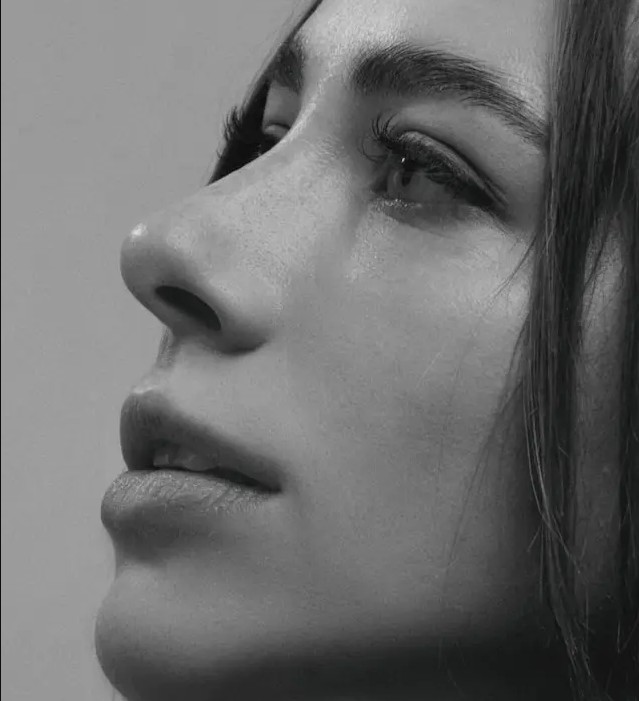
Rhinoplasty is a surgical procedure that reshapes the nasal bones and cartilage to enhance the appearance of the nose. Beyond the aesthetic result, the aim is also to improve nasal breathing and, when breathing is already normal, to preserve its healthy nasal function.
It is one of the most commonly performed facial cosmetic surgeries and the only procedure capable of improving both the appearance and function of the nose at the same time. Rhinoplasty can enhance facial harmony and also increase self-confidence and quality of life.
What problems can rhinoplasty fix?
Cosmetic rhinoplasty
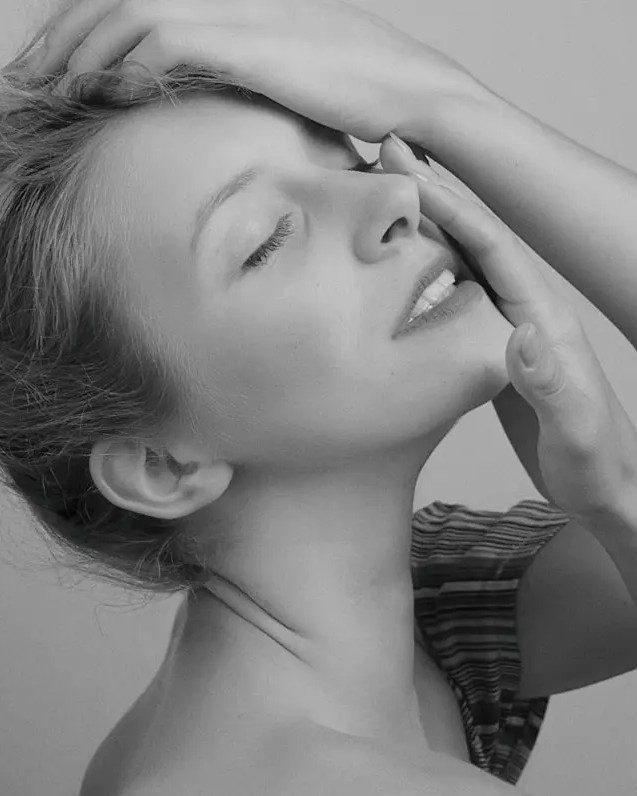
Cosmetic rhinoplasty aims to improve the shape, size, and proportions of the nose. Some patients wish to correct a single feature, while others are looking to enhance the overall appearance of their nose. Common concerns include removing a dorsal hump, refining a bulbous nasal tip, correcting a droopy tip, or straightening a crooked nose. In most cases, several changes are combined to create a nose that is balanced and harmonious with the rest of the face. Ultrasonic rhinoplasty allows some of these corrections to be performed with exceptional precision.
Common nasal problems that rhinoplasty can correct:
- Nasal hump
- Crooked nose
- Wide nose
- Droopy nasal tip
- Bulbous nasal tip
Many people spend years thinking about having rhinoplasty, yet at the same time worry that the result may look artificial or unnatural. This is a completely understandable concern. The goal of rhinoplasty is not to change your identity, but to create a nose that blends harmoniously with the rest of your facial features, without looking "operated on." I combine my expertise in nasal surgery and facial plastic surgery to help you achieve a natural, safe result that complements your unique facial anatomy.
Functional rhinoplasty
In every rhinoplasty, I aim to improve or preserve nasal breathing. A good nasal function can help you sleep and rest better, improving your energy levels throughout the day. It may also enhance airflow during physical activity and sports. Breathing well will positively impact your overall quality of life
It is relatively common for certain aesthetic problems to be associated with breathing impairment. A crooked nose, some nasal tip and nostril asymmetries, and even a very prominent nose can decrease nasal airflow. A functional and cosmetic rhinoplasty allows both concerns to be addressed in a single procedure, helping you achieve a nose that looks natural and breathes properly.
Functional problems that rhinoplasty can correct:
- Nasal septum deviations and fractures
- Deformities caused by nasal bone fractures
- Internal and external nasal valve collapse
- Tension nose deformity
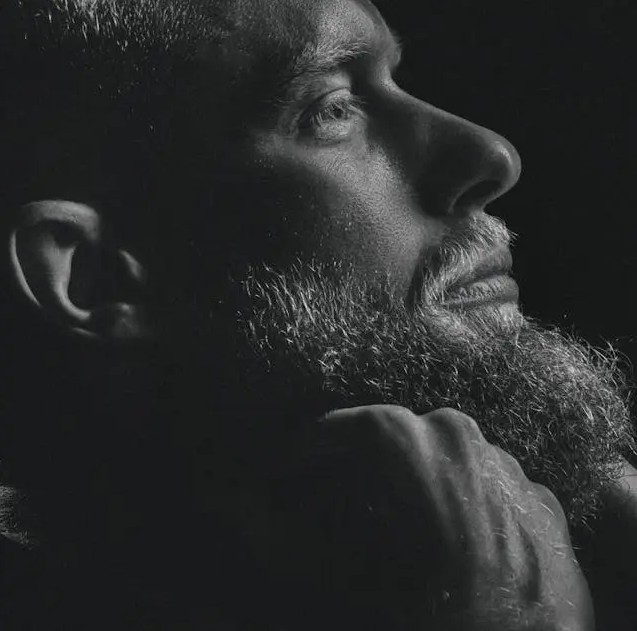
Cuando el problema respiratorio se localiza en el tabique nasal, habitualmente una septoplastia es suficiente para solucionarlo. A diferencia de la rinoplastia, la septoplastia no modifica la forma externa de la nariz ni permite corregir alteraciones funcionales originadas en el resto de los cartílagos nasales.
Although cosmetic and functional rhinoplasty are often described as separate procedures, both aspects are closely related. In most patients, it is possible to improve both with a single operation. My combined training in Otolaryngology and Facial Plastic Surgery allows me to approach rhinoplasty from both a functional and aesthetic perspective. My goal is to deliver natural-looking results without compromising healthy nasal breathing.
Tailoring the technique to every nose
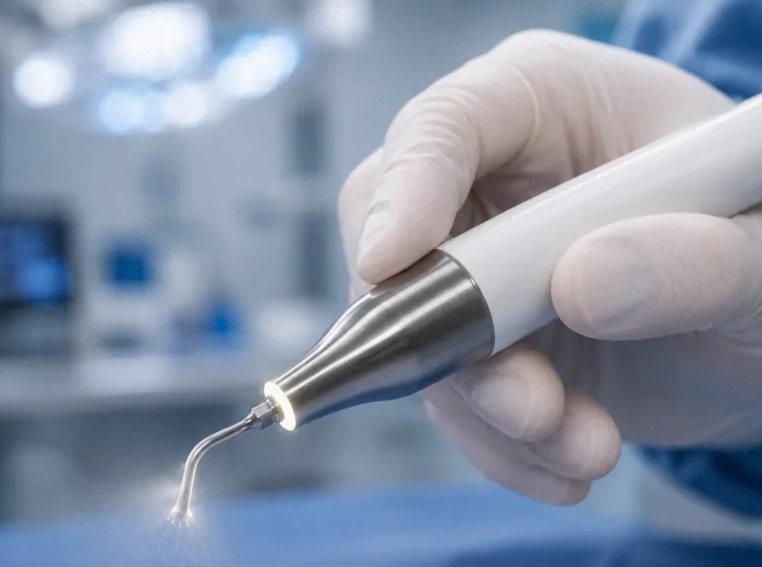
Ultrasonic rhinoplasty
Ultrasonic rhinoplasty uses a piezoelectric surgical device to reshape and precisely cut the nasal bones using ultrasonic vibrations. This technology acts selectively on bone tissue, minimizing trauma to the surrounding soft tissues.
As a result, recovery is typically associated with less swelling and bruising compared with conventional techniques. It also allows bone modifications to be performed with greater control, reducing the risk of minor irregularities. Whenever surgery involves the nasal bones, I use ultrasonic rhinoplasty to perform these corrections with the highest level of precision and optimize my surgical outcomes.
Structural rhinoplasty
Structural rhinoplasty aims to reinforce the support of the nose through cartilage reshaping techniques and, when necessary, cartilage grafts. By creating a more stable nasal framework, it helps maintain long-term surgical results, both aesthetically and functionally.
Aunque se puede operar cualquier nariz con esta filosofía, resulta especialmente útil en pacientes con cartílagos débiles, pacientes con mala respiración nasal y en aquellos que requieren una rinoplastia secundaria o de revisión.
Preservation rhinoplasty
Preservation rhinoplasty aims to maintain the natural integrity of the nasal cartilages and, whenever possible, the nasal bones, as long as this does not compromise the surgical outcome. This philosophy focuses on respecting the attractive features of your nose while minimizing unnecessary manipulation of structures that do not require correction.
There are many preservation rhinoplasty techniques, and the most appropriate one should be selected on an individual basis. Not every patient is a suitable candidate for this type of surgery. When properly indicated, preservation rhinoplasty can provide excellent cosmetic and functional results.
Your Rhinoplasty, Step by Step
I assess the anatomy of your nose and breathing function.
We discuss your goals and design a surgical plan tailored for you.
Your surgery is performed in a safe hospital environment.
I use state-of-the-art techniques and equipment to achieve natural results.
Close follow-up to address any concerns.
Regular check-ups and postoperative care to ensure a smooth and proper recovery.
Recovery and results after rhinoplasty

The initial recovery after rhinoplasty typically takes around 8–12 days, at which point the nasal splint and sutures are removed. Most patients are able to return to their normal daily activities after this period. Swelling gradually subsides over the following weeks, and by one to two months after surgery, most patients feel that their nose is no longer swollen. Throughout the recovery process, carefully following the postoperative instructions is essential to promote optimal healing and a smooth recovery.
The complete recovery and final results of your rhinoplasty are achieved gradually over 6 to 12 months, as the tissues fully settle and the healing process is completed. Most of the changes during this stage are subtle refinements that allow your nose to look even more natural. As a rhinoplasty surgeon in Palma de Mallorca, I provide close postoperative follow-up to ensure a smooth recovery and the best possible outcome.
Considering nose surgery in Palma de Mallorca?
Rhinoplasty is one of the most complex procedures in facial plastic surgery, as it requires improving the appearance of the nose without compromising its function. Achieving an excellent result requires a thorough understanding of nasal anatomy, meticulous surgical planning, and expertise in both functional and cosmetic nasal surgery.
As a specialist in Otolaryngology with subspecialty training in Facial Plastic Surgery, I have focused my practice on nasal surgery and rhinology. This combined expertise allows me to approach every rhinoplasty from a comprehensive perspective, carefully balancing both nasal function and facial harmony. My goal is to provide personalized treatment and achieve natural, long-lasting results that complement your unique facial features.
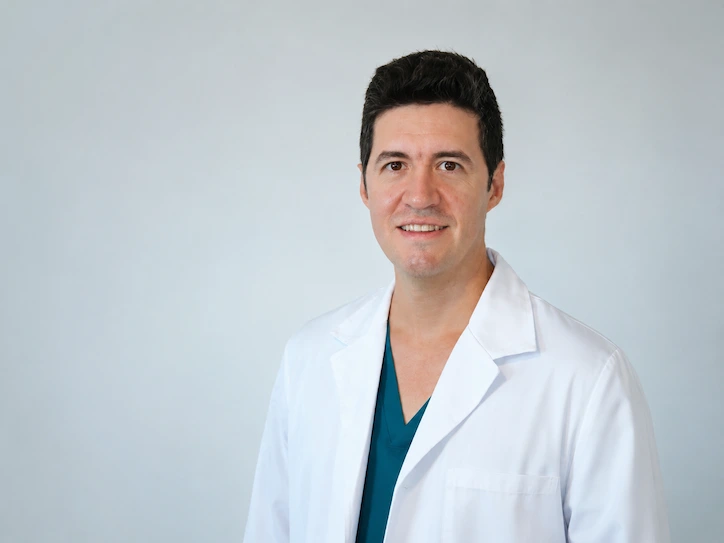
Dr. César García Garza
Rhinoplasty andFacial Plastic Surgeon
Every patient is unique and requires an personalized assessment. If you are considering a rhinoplasty in Palma de Mallorca, I would be happy to help you.
Take the first step and schedule your consultation.
During your visit, I will take the time to understand your concerns, answer your questions, and recommend the treatment that best suits your facial features. My priority is to help you achieve a natural-looking result..